
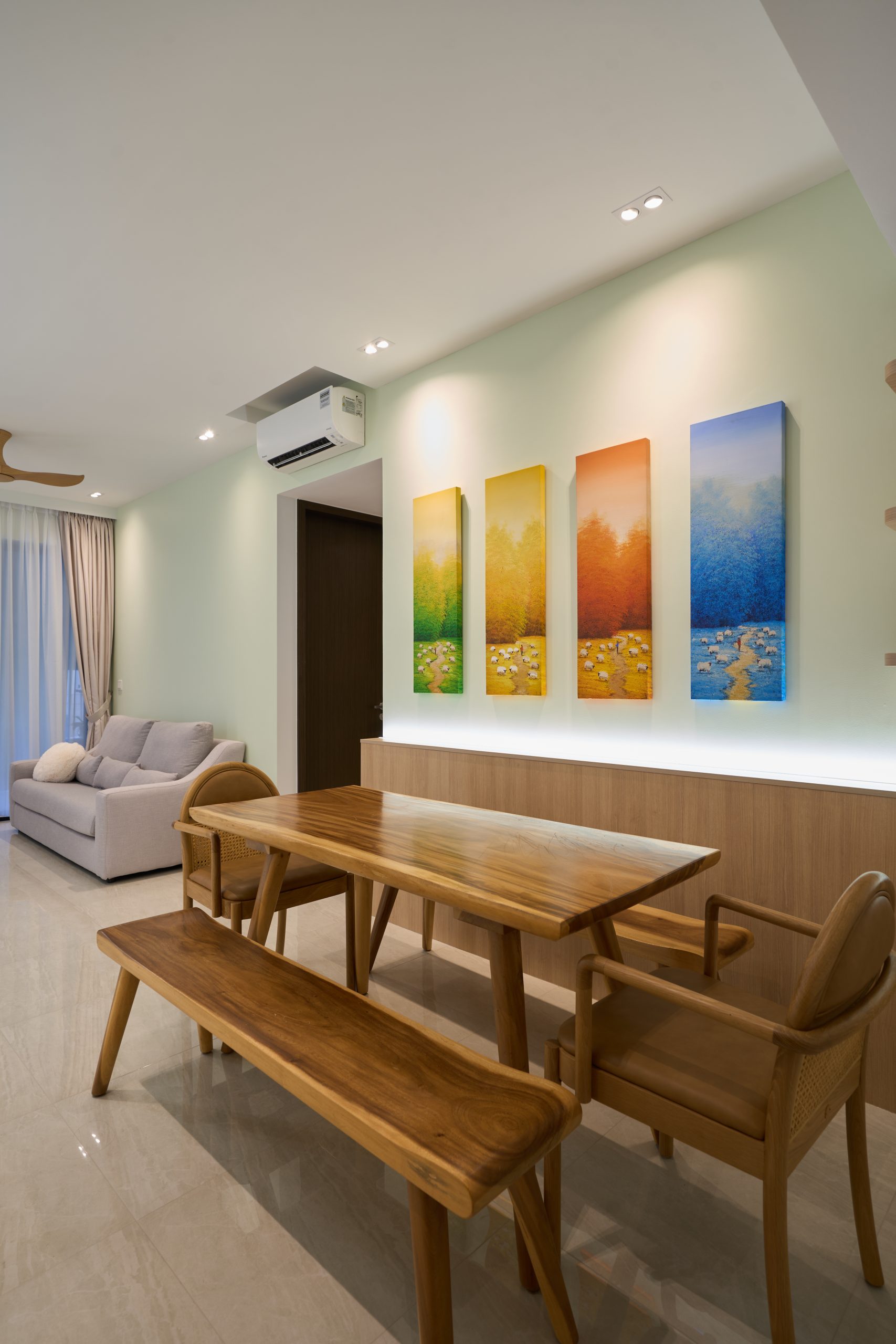
12 Interior Design Styles for Singapore Homes, With Real Project Photos
TL;DR: This guide covers 12 interior design styles you can use in a Singapore home: Modern, Contemporary, Scandinavian, Industrial, Japandi, Mid-Century Modern, Bohemian, Farmhouse, Terracotta Minimalism, Coastal, Transitional and Wabi-Sabi. Japandi, Wabi-Sabi and terracotta minimalism work especially well in HDB flats and condos because they keep compact spaces calm and clutter free while still feeling warm. If you are not sure which style suits you, look at the colours and textures you already like in your own home, put together a mood board, and visit a few showrooms before you commit to anything.
Why Finding Your Interior Design Style Matters
Your home is a reflection of your personality, habits, and aspirations. Understanding your interior design style helps you create a space that not only looks good but also feels right. With so many design aesthetics out there, from modern minimalism to rustic farmhouse charm, choosing your perfect match can feel overwhelming.
This guide breaks down the most popular interior design styles in Singapore and around the world—so you can confidently transform your space into something truly yours.
1. Modern
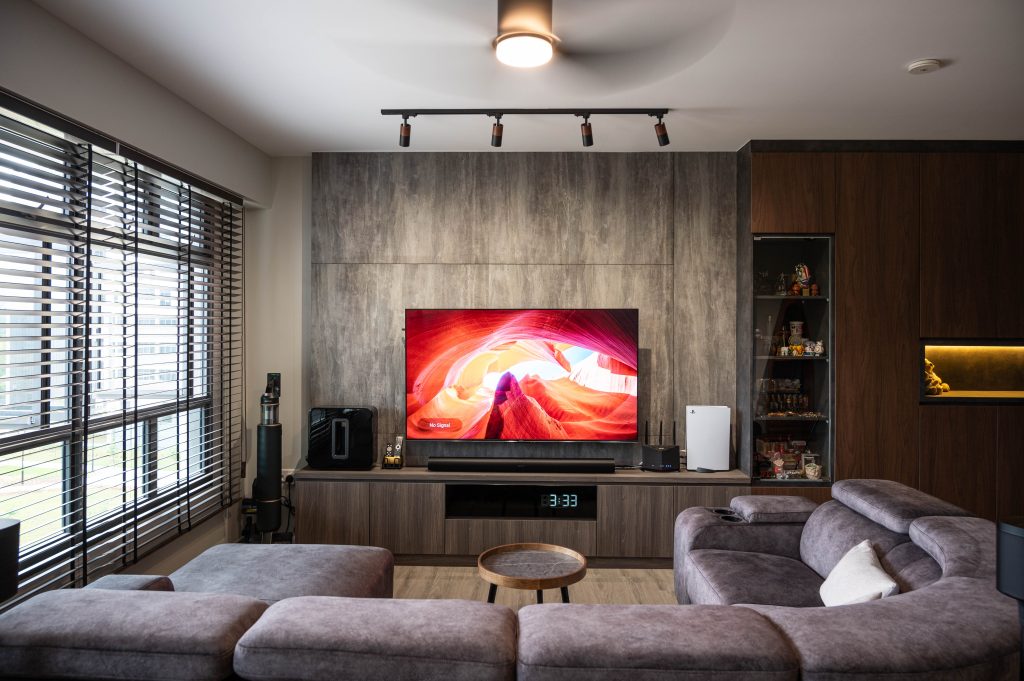
The modern interior design style is all about clean lines, minimal clutter, and functional beauty. Popularized in the early to mid-20th century, it embraces a sleek aesthetic rooted in form and structure.
Key Elements:
- Neutral color palette: whites, greys, blacks
- Geometric furniture and streamlined silhouettes
- Use of materials like glass, steel, and polished wood
- Minimal ornamentation
Ideal For:
Condo dwellers, modern homeowners, or anyone who values simplicity with impact.
2. Contemporary
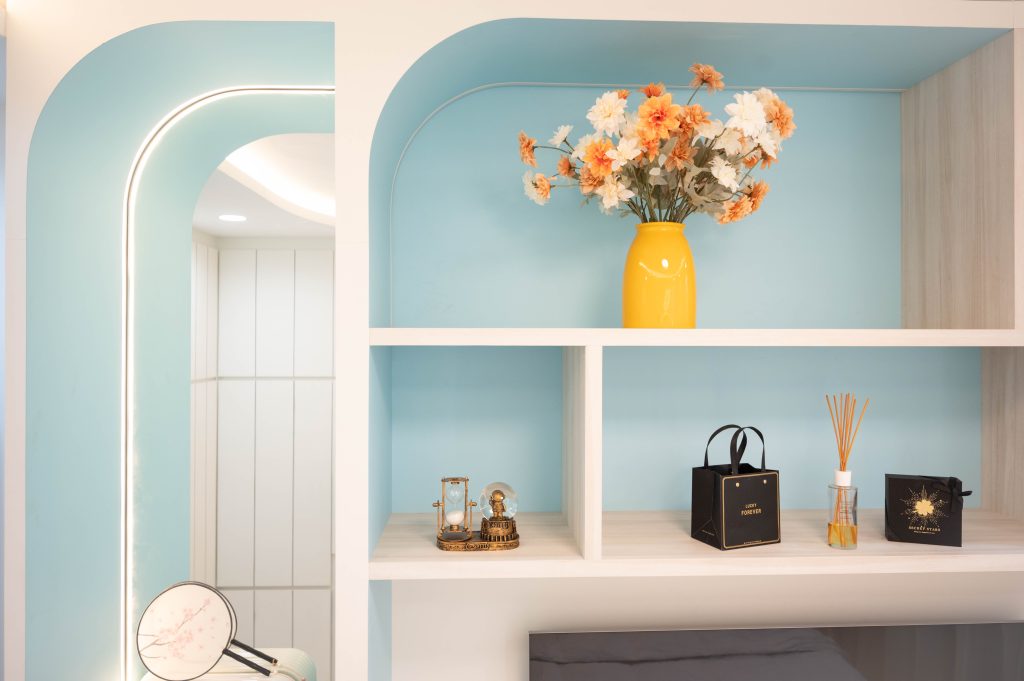
Often confused with modern, the contemporary interior design style reflects current design trends and evolves over time.
Key Elements:
- Curved furniture and soft edges
- Bold statement pieces
- Open spaces and lots of natural light
- Neutral base with pops of color
Ideal For:
Those who like to stay on-trend and prefer a flexible, ever-evolving aesthetic.
3. Scandinavian

The Scandinavian style blends functionality with minimalism, creating a calm and cozy environment.
Key Elements:
- Light wood flooring and furniture
- White or pastel walls
- Warm textiles like wool and linen
- Emphasis on natural light and clean forms
Ideal For:
People who enjoy simplicity, brightness, and a clutter-free lifestyle.
4. Industrial
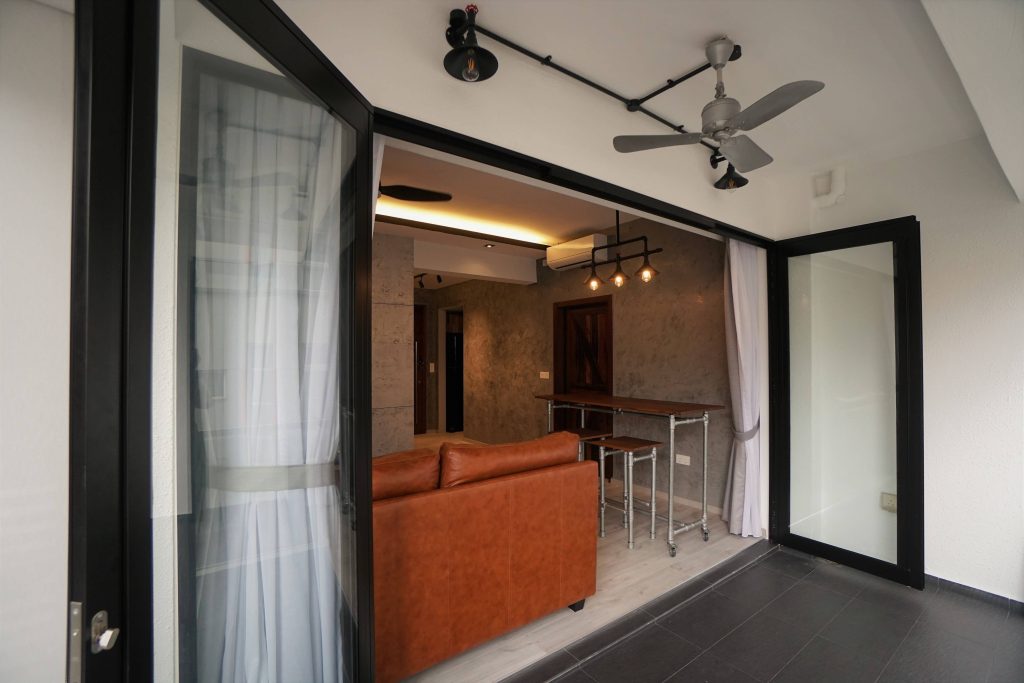
Inspired by converted warehouses and factories, the industrial interior design style highlights raw, unfinished textures.
Key Elements:
- Exposed pipes, beams, and brickwork
- Furniture made of reclaimed wood and metal
- Neutral or darker color palettes
- Edison bulb lighting
Ideal For:
Loft apartments, cafes, and creatives who appreciate raw, edgy aesthetics.
5. Japandi

Japandi is a blend of Japanese and Scandinavian styles—marrying minimalism with warm, earthy elements.
Key Elements:
- Natural textures like bamboo and linen
- Low-profile, functional furniture
- Neutral color palette with occasional dark accents
- Focus on craftsmanship and quality
Ideal For:
Homeowners in Singapore who want calm, zen-like interiors with understated luxury.
Find out more about Japandi in this post here.
6. Mid-Century Modern
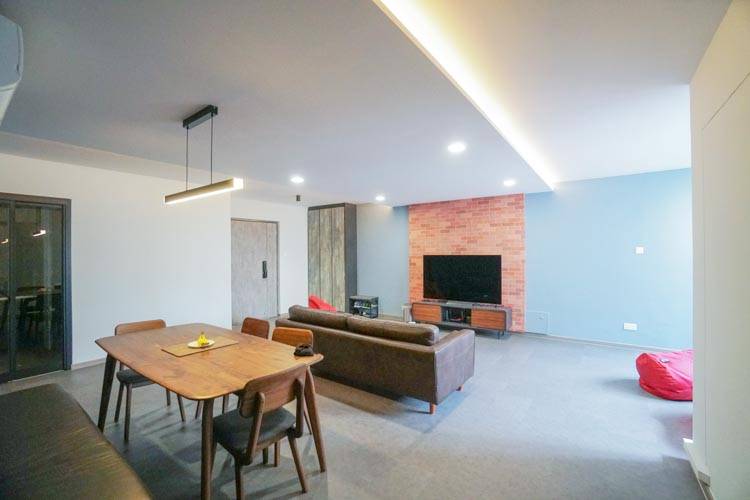
A classic yet timeless look from the 1940s to 1960s, the mid-century modern style is beloved for its elegance and utility.
Key Elements:
- Tapered legs on furniture
- Bold colors like mustard, teal, and orange
- Organic shapes and asymmetry
- Wood, especially teak and walnut
Ideal For:
Design enthusiasts who appreciate retro charm with a modern twist.
7. Bohemian (Boho)

The bohemian interior design style celebrates creativity, freedom, and individuality.
Key Elements:
- Vibrant colors and global influences
- Layered rugs, pillows, and textures
- Handmade or vintage décor
- A mix of patterns and plants
Ideal For:
Free-spirited individuals, artists, and anyone who wants a home bursting with personality.
8. Farmhouse

Rooted in rural simplicity, the farmhouse style evokes warmth, comfort, and nostalgia.
Key Elements:
- Shiplap walls and barn doors (they need not be the actual doors to your rooms, but even cabinet doors )
- Rustic wood finishes
- Neutral tones with cozy accents (we even had pink as a main color!)
- Vintage or repurposed items
Ideal For:
Families or homeowners looking for a welcoming, lived-in feel.
9. Terracotta Minimalism
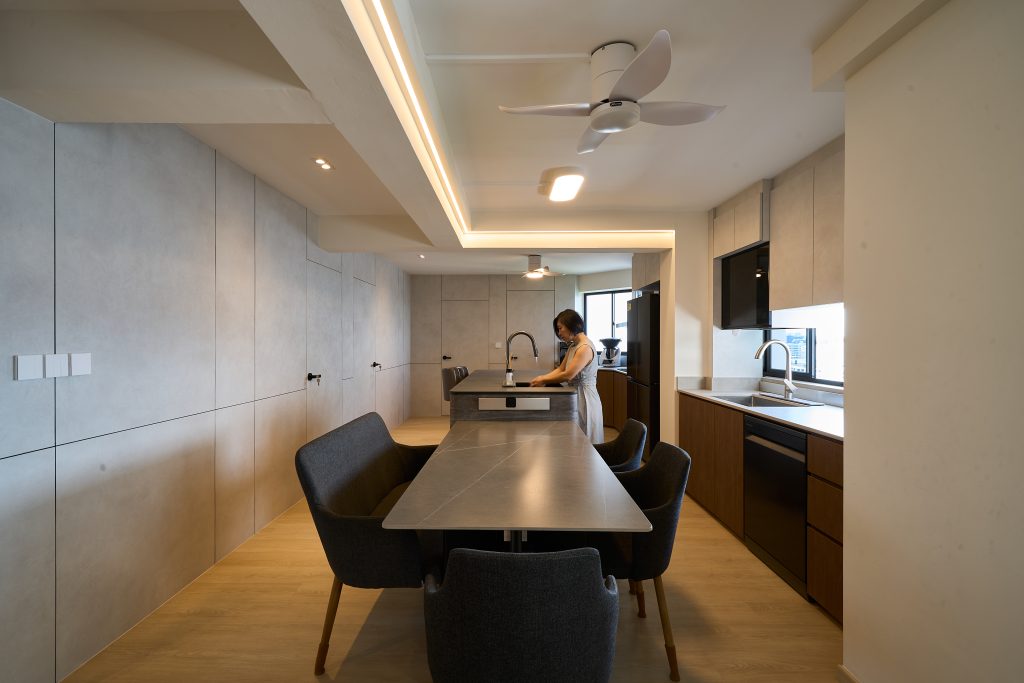
Core Materials and Finishes
- Raw Clay & Tiles: Use authentic terracotta floor tiles, brick slips, or handmade decorative wall tiles that celebrate slight natural imperfections.
- Matte Surfaces: Avoid glossy or highly polished synthetics; keep finishes raw, porous, and soft to the touch.
- Complementary Textures: Pair hard clay with soft, tactile fabrics like bouclé, raw linen, cotton, and velvet.
- Natural Wood & Stone: Anchor the space with light oak, walnut, rattan, travertine, or concrete to amplify the connection to nature.
Color Palette and Styling
- Harmonious Neutrals: Ground the reddish-orange clay tones using soft creams, warm whites, sand, and beige for breathing room.
- Nature-Inspired Accents: Combine terracotta with sage or olive green, deep browns, or contrasting navy blue.
- Soft Geometry: Balance stark architectural lines with curved silhouettes, arched doorways, or round furniture shapes.
- Greenery: Place lush indoor plants (like fiddle-leaf figs or trailing pothos) next to terracotta walls or in clay pots to make the color pop naturally.
Ideal For:
Homeowners who appreciate terracotta interior design prioritize warmth, nature, and unique character over sterile or trend-driven modern spaces.
Key Demographics and Lifestyles
Cozy Minimalists: Minimalists who find stark white spaces too cold and want a clean layout but with rich, cozy warmth.
Nature Enthusiasts: People who love biophilic design, indoor plants, and bringing the outdoors inside.
Historians and Travelers: Homeowners drawn to Mediterranean, Southwestern, or Tuscan architecture and authentic global aesthetics.
Eco-Conscious Consumers: Individuals prioritizing sustainable, raw, and organic materials like clay, timber, and linen.
Wabi-Sabi Admirers: People who embrace imperfection, finding beauty in aged patinas, handmade tiles, and weathered surfaces.
10. Coastal
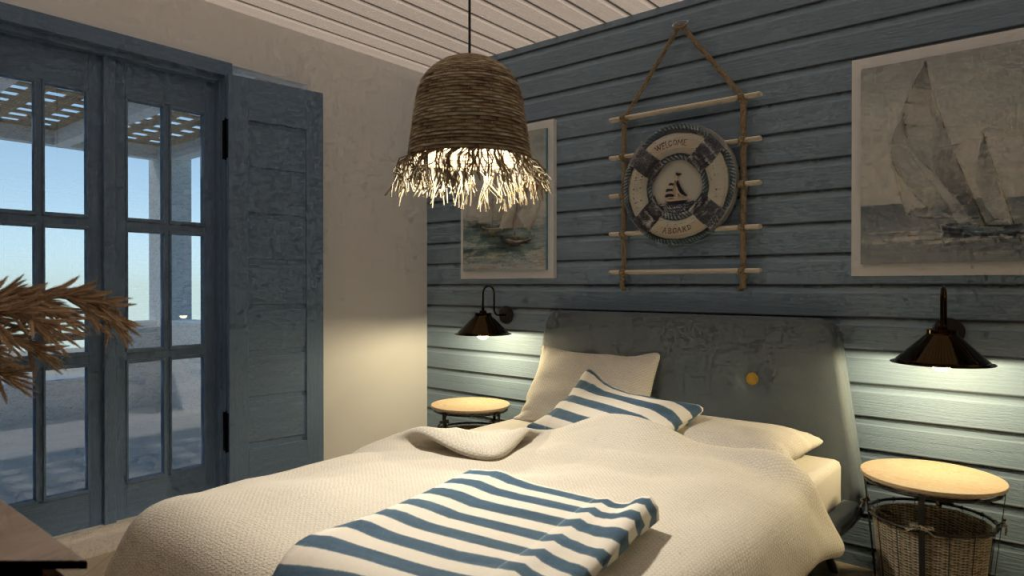
Breezy and beach-inspired, the coastal interior design style is popular in tropical climates like Singapore.
Key Elements:
- Light and airy palette: whites, blues, and beiges
- Nautical accessories like ropes and driftwood
- Sheer curtains and plenty of light
- Wicker or rattan furniture
Ideal For:
Homeowners who love island living and want to bring the beach indoors.
11. Transitional
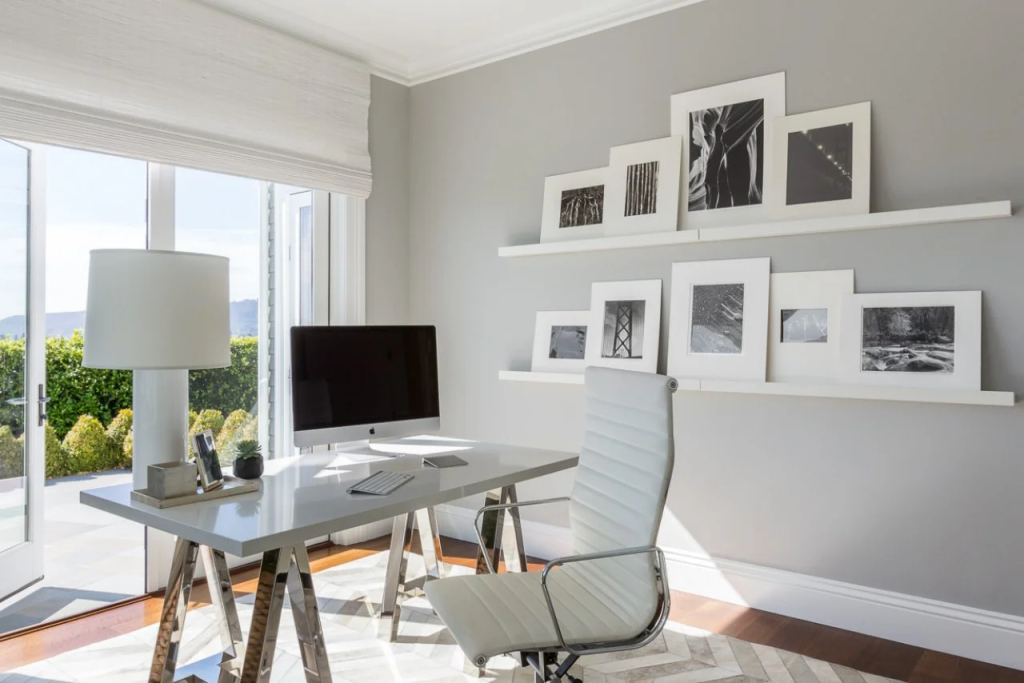
Transitional style merges modern and traditional elements for a balanced look.
Key Elements:
- Neutral tones with occasional statement furniture
- Simple yet elegant design elements
- Mix of curved and straight lines
- Subtle patterns
Ideal For:
People who want the best of both worlds—classic with a contemporary update.
12. Wabi Sabi
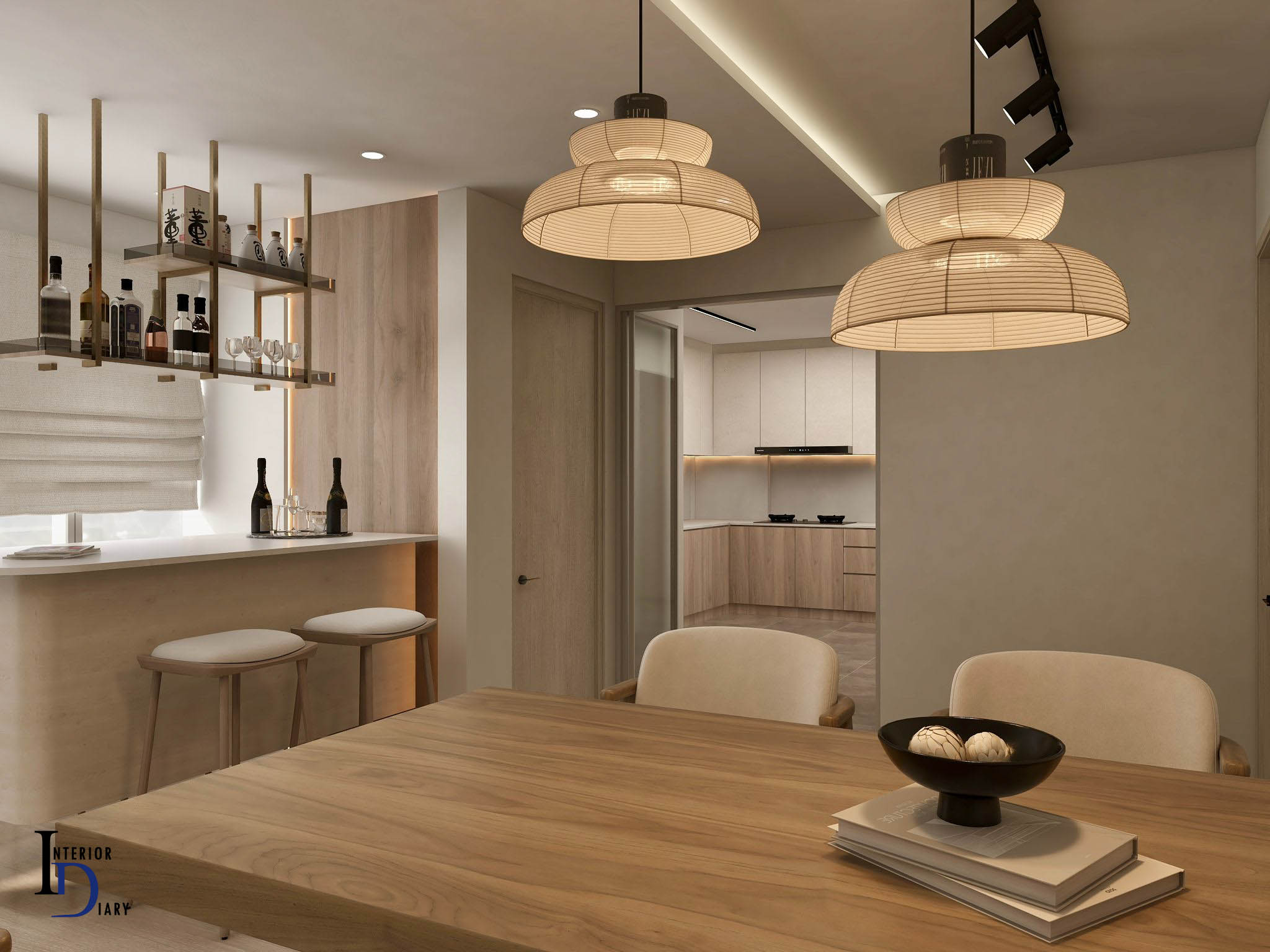
Wabi-sabi interior design focuses on intentional asymmetry, raw natural materials, and celebrating the beauty of aging and imperfection.
Core Philosophy and Layout
- Asymmetry and Balance: Avoid perfect geometric layouts; use organic placements that feel natural and unforced.
- Understated Simplicity: Keep spaces deeply minimalist, displaying only items that bring utility or deep personal meaning.
- Open Spaces: Focus on empty areas, known as ma (negative space), to allow the mind and room to breathe.
Materials and Textures
- Weathered Wood: Feature rough, unpolished timber, reclaimed beams, or furniture showing natural knots and cracks.
- Muted Ceramics: Use handmade pottery, uneven clay pieces, or items repaired with gold lacquer (kintsugi).
- Textured Walls: Apply lime wash, micro-cement, or raw plaster to give walls an uneven, tactile depth.
- Organic Fabrics: Dress spaces in wrinkled linen, rough cotton, hemp, and jute rugs that skip the iron.
Color and Light
- Earthbound Palette: Stick strictly to muted tones like stone gray, sand, soft beige, charcoal, and muddy greens.
- Shadow and Light: Embrace soft, diffused natural light and shadowy corners rather than bright, uniform overhead lighting.
Ideal For:
Wabi-sabi interior design is for people who value peace, authenticity, and freedom from perfection over flawless, showroom-style luxury.
Lifestyles and Personalities
Mindful Minimalists: People who practice slow living and want a home focused on essential utility, open space, and mental clarity.
Busy Professionals: People with high-stress jobs who need their home to be a quiet, calming sanctuary free from visual noise.
Sentimental Collectors: Homeowners who prefer unique, handmade, or antique items over mass-produced, identical furniture.
Low-Maintenance Living Fans: Individuals who find joy in everyday wear-and-tear, like wrinkled linen or weathered wood, instead of constant cleaning and polishing.
Environmentalists: Consumers focused on sustainability, reusing old items, and buying fewer, high-quality things that last a lifetime.
How to Find Your Interior Design Style
Not sure which one fits you? Here are a few ways to find your interior design style:
- Look at your wardrobe: Are your clothes tailored and minimal or colorful and relaxed?
- Create a mood board: Save Pinterest pins or magazine clippings that spark joy.
- Visit showrooms: In Singapore, shops like Castlery or IKEA often showcase real-life examples of design styles.
- Try a style quiz: Many interior design blogs, including Bobby Berk’s, offer fun quizzes to guide you.
If you’re keen on another style not mentioned here, check out our post on Wabi Sabi Interior Design or about terracotta minimalism.
Final Thoughts: Let Your Interior Design Style Tell Your Story
There’s no right or wrong when it comes to choosing your interior design style. What matters most is that your space works for you, both functionally and emotionally.
Whether you lean toward the sleek modern look, crave the comfort of farmhouse vibes, or resonate with the artistic chaos of boho style, understanding your preferences gives you the power to make your home truly yours.
If you’re keen to renovate your home, kick start the process with a free consultation by clicking on the whatsapp button below.
Embarking on your home reno journey? Find out what you should know with our quick guide here. Also, check out our glossary of terms to know in Interior Design.